
Buyer Guide
Practical information for
MDF purchasing decisions.
MDF manufacturer · Wen'an, Hebei, China
MDF inspection should be linked to the buyer's application and the specification agreed before production. A visual check alone cannot confirm whether a board will machine, laminate or remain dimensionally consistent in downstream use. The following factors form a practical inspection framework.
Thickness and dimensional consistency
Thickness affects fitting, lamination pressure, machining settings and the final dimensions of furniture components. Measurements should be taken using an agreed method and at representative positions on the board.
For thin MDF, even a small variation can be significant relative to the nominal thickness. The purchase specification should therefore state both the nominal value and acceptable tolerance.
Density and board structure
Density influences weight, machining behaviour, fastening and mechanical performance. A single density value should be understood together with the permitted range and the intended application.
Buyers should discuss whether the requirement refers to average board density and whether additional performance tests are needed for the component design.
Moisture content
Moisture can affect board dimensions, lamination and storage performance. Measurement results should be interpreted in relation to production requirements, packaging and the conditions expected during transport and use.
Boards should remain protected from water and uncontrolled humidity during storage. The buyer and supplier should agree on any application-specific moisture requirement before production.
Internal bond and bending performance
Internal bond testing evaluates the strength of the board structure through its thickness. Bending tests provide information about mechanical performance under load.
Not every application requires the same target. Component dimensions, support conditions and downstream processing should guide the performance specification rather than relying on a generic grade description.
Surface quality
Surface inspection should consider smoothness, sanding condition, visible contamination, damage and suitability for lamination or finishing. Acceptance criteria should reflect which faces remain visible and how the board will be processed.
Packaging is part of surface protection. Edge guards, bundle protection and handling instructions help reduce damage between factory release and arrival.
Formaldehyde emissions and market requirements
Emission requirements vary by product, destination market and customer standard. Buyers should state the required formaldehyde grade or test method in the inquiry and purchase documents.
Certificates or test results should be evaluated against the product and shipment requirements. A logo or general claim should not replace confirmation of the applicable standard.
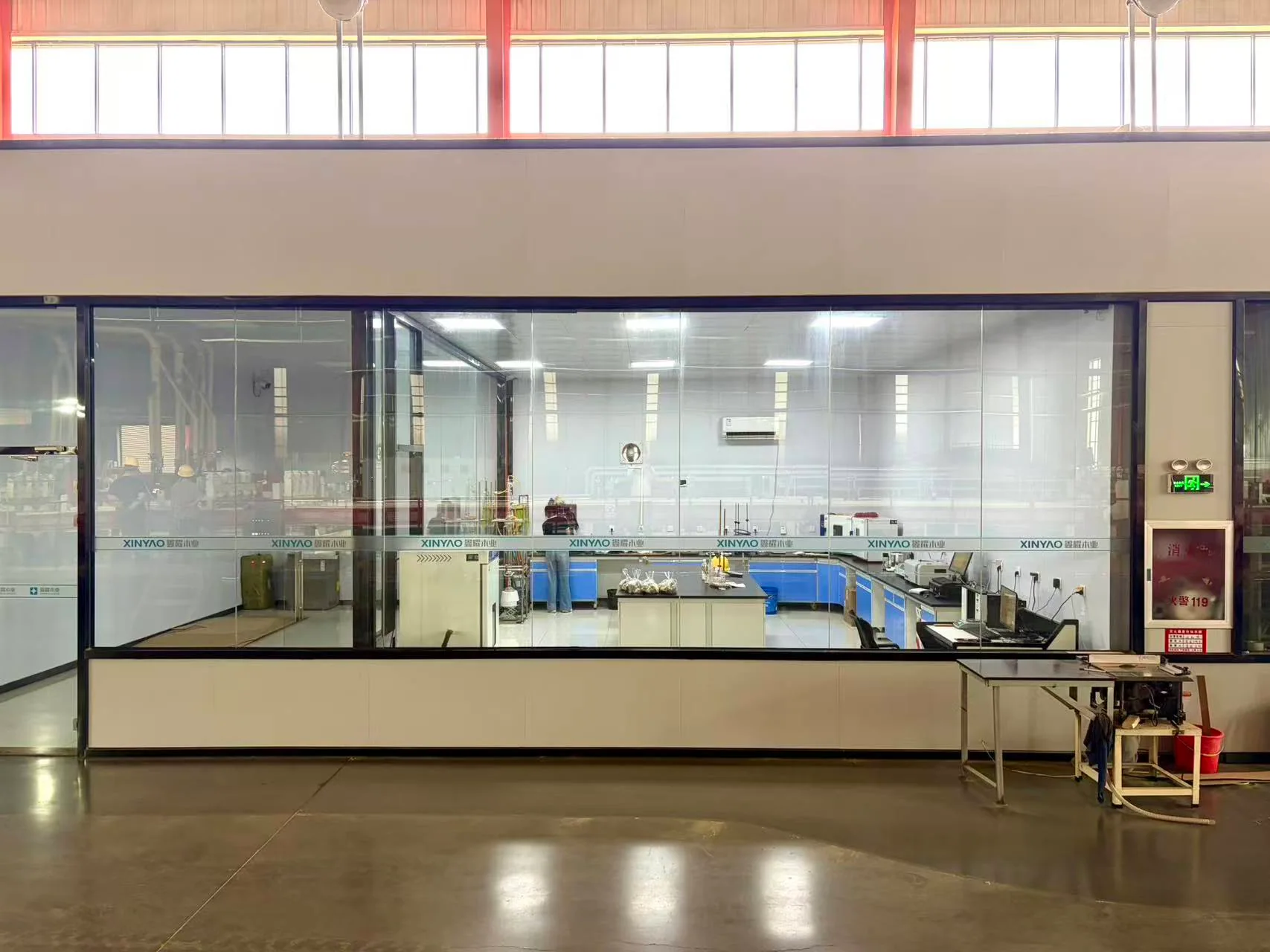
Representative 0.8 mm factory inspection results
Manufacturer report XY-QC-260722 covers a 0.8 mm x 1220 mm x 2440 mm high-density ultra-thin fibreboard batch produced on July 22, 2026. Four sheets were sampled from 700 sheets under the report's GB/T 31765-2015 inspection basis.
Recorded batch results include 0.05 mm nominal thickness deviation, 0.03 mm/m within-panel thickness deviation, 997 kg/m3 density, 5.20% moisture content, 86.98 MPa static bending strength, 4.03 MPa internal bonding strength and 2.33 mg/100g formaldehyde release by the extraction method. These manufacturer-issued values are representative batch data rather than guaranteed specifications for every order.
Build an inspection checklist
A useful pre-shipment checklist records the product, nominal dimensions, tolerance, density, moisture, mechanical requirements, surface criteria, emission requirement and packaging condition. Agreeing on these points early reduces disputes and makes repeat-order comparison more reliable.
Frequently asked questions
What should be checked during MDF quality inspection?
A buyer checklist should cover dimensions and thickness tolerance, density, moisture, internal bond and bending performance, surface condition, applicable emissions requirements, packaging and the agreed sampling method.
Is visual inspection enough for thin MDF?
No. Visual inspection can identify surface and handling defects, but dimensional, moisture, density and mechanical requirements need agreed measurement or testing methods.
Are the published inspection results guaranteed for every order?
No. The published values are representative manufacturer results for one 0.8 mm batch. Each order requires its own confirmed specification and acceptance requirements.
When should an MDF inspection checklist be agreed?
Agree the checklist before production so the quotation, production controls and pre-shipment review use the same product and acceptance requirements.
Related MDF Keywords
Specification-focused
buyer research.
Need help selecting a thin MDF specification for your production?
Send your application and requirements
for factory review.
Request Specification & Quotation Related MDF Knowledge
Continue your
buyer research.
Guidance for specifying, inspecting and sourcing thin MDF from China.
Thin MDF Thickness Guide
Compare Xinyao thin MDF thickness options from 0.8mm to 5.8mm by application, processing review, density, surface and inquiry requirements.
Read articleMDF Density Guide
Learn how to select MDF density by thickness, machining, surface processing and application, using Xinyao's verified density options for buyer review.
Read articleMDF Thickness Tolerance Guide
See how MDF thickness tolerance is measured and specified, plus representative 0.8mm batch results and a practical buyer inspection checklist.
Read article