
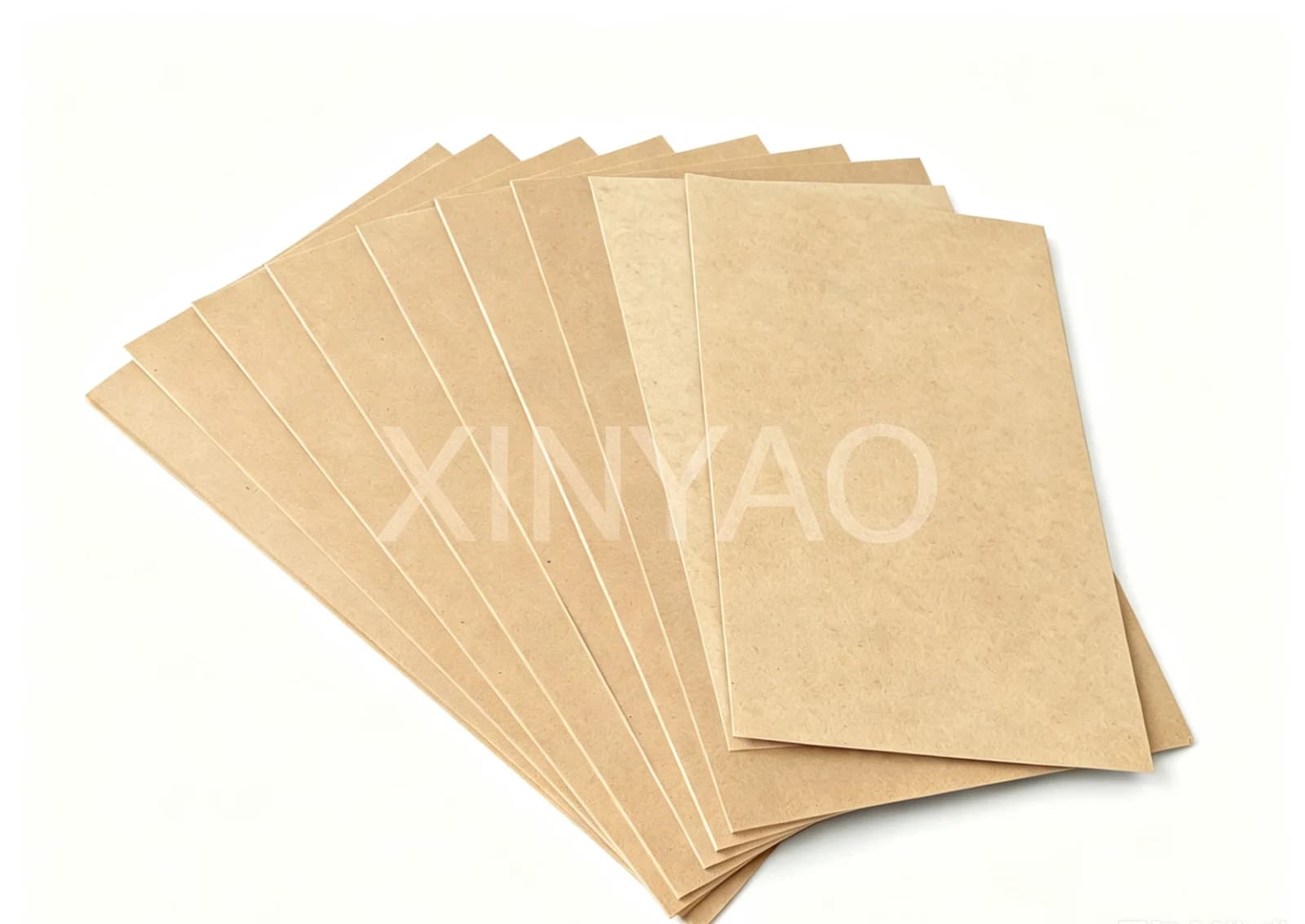
Buyer Comparison
Thin MDF thickness
and application matrix.
Use this matrix to shortlist a nominal thickness group, then confirm the complete order specification with the factory.
Furniture backing, lightweight components, lamination substrates and buyer-specified processing.
Handling support, bonding or lamination process, density, surface condition and bundle protection.
Cabinet parts, drawer bottoms, furniture components and decorative processing.
Component construction, cutting or machining method, surface process, dimensions and packing.
Furniture parts, wall and decorative panels, door components and further processing.
Finished component, routing or drilling, surface finish, density requirement and transport protection.
Published thickness options are not performance grades. Availability, density, tolerance, surface and application suitability remain subject to order-specific factory review.
Buyer Guide
Practical information for
MDF purchasing decisions.
MDF manufacturer · Wen'an, Hebei, China
Selecting a thin MDF thickness is a purchasing decision that should start with the finished component and the buyer's production process. The nominal thickness must work with the required dimensions, handling method, machining, lamination or finishing process, and the way the board will be used downstream. A thickness name alone is therefore not a complete MDF specification.
Understanding thin MDF thickness
Xinyao Wood's published product information covers thin MDF from approximately 0.8 mm to 6 mm. Within that range, the available production thicknesses currently shown are 0.8, 1.2, 1.7, 1.9, 2.2, 2.4, 2.6, 2.9, 3.0, 3.7, 4.2, 4.5 and 5.8 mm.
The required nominal thickness should be confirmed together with board dimensions, density requirement, surface condition and quantity. Buyers should not assume that every nominal thickness has the same production, handling or downstream processing considerations.
Common thin MDF thickness options
The available options can be reviewed in practical groups, but these groups are not performance grades. Final suitability depends on the component design and the buyer's processing conditions.
Lower-thickness options—0.8, 1.2, 1.7 and 1.9 mm—require buyers to describe how sheets will be handled, supported, bonded or inserted into the finished component. Intermediate options—2.2, 2.4, 2.6, 2.9 and 3.0 mm—may be reviewed for furniture components, cabinet parts, drawer bottoms and decorative processing already identified in Xinyao's product information. The upper options in the published list—3.7, 4.2, 4.5 and 5.8 mm—provide additional nominal thickness for component and processing review without implying a specific structural performance.
If the required thickness is not shown in the published list, send the nominal value and application to the factory for feasibility review rather than assuming availability.
0.8 / 1.2 / 1.7 / 1.9 mm
2.2 / 2.4 / 2.6 / 2.9 / 3.0 mm
3.7 / 4.2 / 4.5 / 5.8 mm
How application affects thickness selection
For furniture components, buyers should identify whether the board will become a cabinet back, drawer bottom, internal panel or another processed part. Component dimensions, groove or fixing method, support conditions and machining sequence all affect the thickness review.
For decorative processing and lamination substrates, the buyer should confirm the decorative material, adhesive system, press or lamination conditions, surface acceptance requirements and finished component construction. Door-related components also require a description of where the thin MDF sits in the complete construction; the board should not be treated as a complete structural door by itself.
These are application examples, not guarantees of suitability. The intended use and actual production conditions should be reviewed before a repeat order.
Thickness and density are separate specifications
Thickness describes the nominal distance between the two board faces. Density describes mass in relation to board volume. They are separate specification variables, and a thinner board does not automatically have a particular density.
Xinyao's published product data lists density options from 680 to 1000 kg/m³. Buyers should state the density requirement separately and explain the application so the factory can review the requested combination. No thickness-to-density combination should be assumed without production confirmation.
Surface and lamination considerations
Xinyao's product range includes raw, smooth-sanded thin MDF for further processing. Whether a board is suitable for a particular lamination system depends on the buyer's adhesive, decorative material, pressure and temperature conditions, equipment settings, surface requirements and finished-product criteria.
Provide those conditions during the specification review and test the selected board in the actual downstream process where compatibility is important. This guide does not claim universal PET, PUR, PVC or other lamination compatibility.
Information buyers should provide when requesting MDF
A complete inquiry helps the factory assess production feasibility and prepare a relevant specification and quotation. The following details are more useful than requesting a thickness alone.
Nominal thickness and board dimensions
Density requirement
Finished application and component construction
Surface, lamination, machining or other processing requirements
Order quantity and destination port
Packaging and handling requirements
Any other technical requirement that must be reviewed before production
Working with a thin MDF manufacturer
Wen'an Xinyao Wood Industry Co., Ltd. was established in 2008 in Wen'an County, Hebei Province, China. The factory focuses on thin MDF production across an approximate 0.8–6 mm range and states an annual production capacity of 300,000 m³.
For an international order, thickness, dimensions, density requirement, surface condition, quantity and packaging should be confirmed before production. Finished-board inspection and export coordination through Tianjin Port support the order process, while application-specific performance remains subject to the buyer's requirements and validation.
Frequently asked questions
What is the thinnest MDF listed by Xinyao? The current published thickness list starts at 0.8 mm.
Does a thicker thin MDF board always have a higher density? No. Thickness and density are separate specifications and should both be stated in the inquiry.
Can one thickness be recommended for every furniture or lamination application? No. Component design, processing, surface requirements and handling conditions differ, so suitability should be reviewed for the buyer's application.
What standard board sizes are published? Xinyao's current product information lists 1220 × 2440 mm and 1240 × 2460 mm. Other requirements should be discussed with the factory.
What should a buyer send for a quotation? Provide thickness, dimensions, density requirement, application, processing and surface requirements, quantity, destination port and packaging requirements.
Related MDF Keywords
Specification-focused
buyer research.
Need help selecting a thin MDF specification for your production?
Send your application and requirements
for factory review.
Request Specification & Quotation Related MDF Knowledge
Continue your
buyer research.
Guidance for specifying, inspecting and sourcing thin MDF from China.
MDF Density Guide
Learn how to select MDF density by thickness, machining, surface processing and application, using Xinyao's verified density options for buyer review.
Read articleMDF Thickness Tolerance Guide
See how MDF thickness tolerance is measured and specified, plus representative 0.8mm batch results and a practical buyer inspection checklist.
Read articleChoosing a Thin MDF Supplier
A practical guide to evaluating thin MDF suppliers in China, including production capability, quality consistency, specifications and export experience.
Read article