
Buyer Guide
Practical information for
MDF purchasing decisions.
MDF manufacturer · Wen'an, Hebei, China
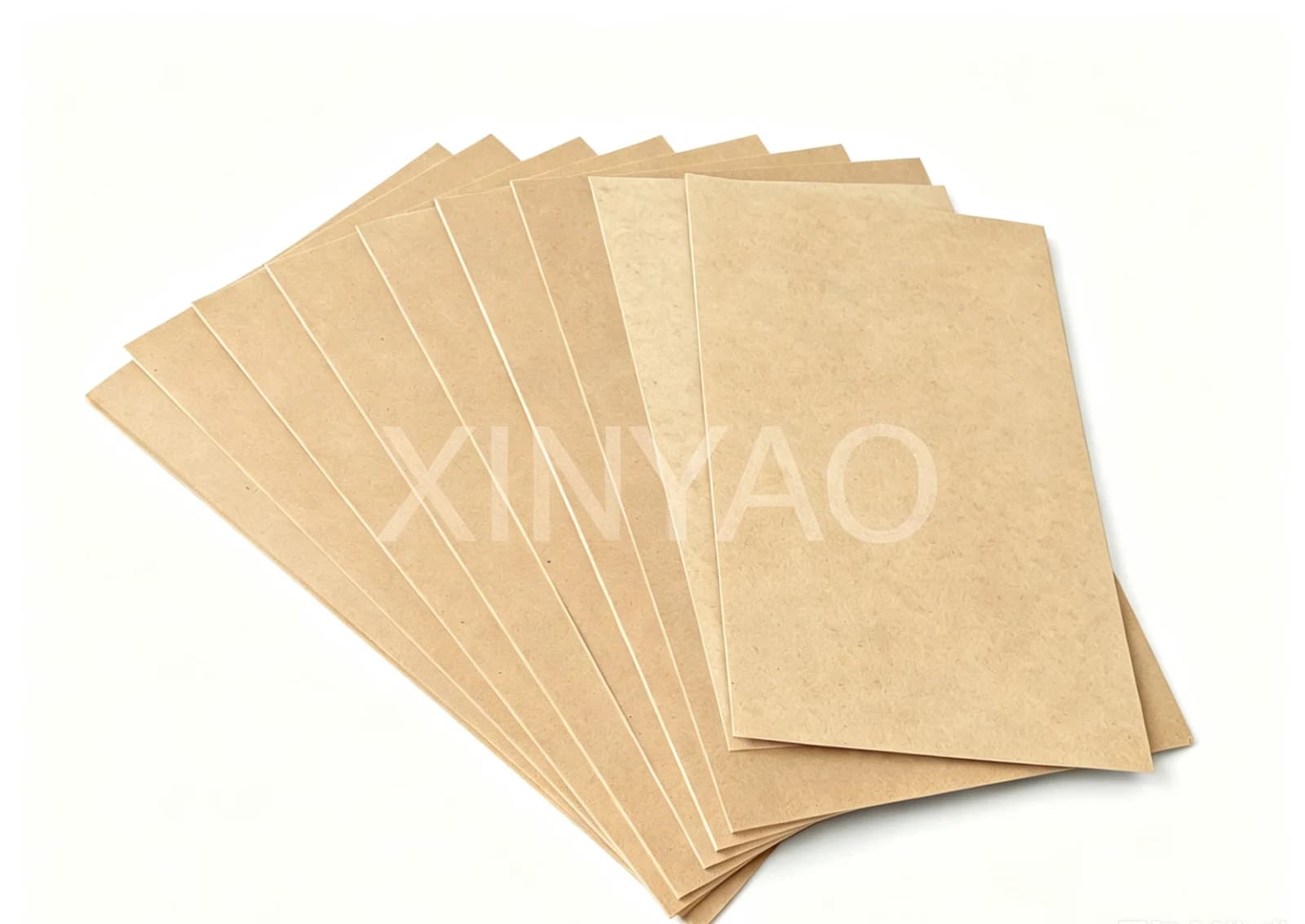
Thin MDF is used where a smooth, consistent panel is required without the thickness of a standard structural board. The correct selection depends on the component design, processing method, surface treatment and required mechanical performance. Thickness alone is not enough to define a purchase specification.
Furniture components
Thin MDF is commonly considered for cabinet backs, drawer bottoms, furniture backing and internal panels. The required thickness depends on component dimensions, fixing method and expected load.
Buyers should confirm whether the board will be inserted into grooves, stapled, laminated or used as a non-structural backing. These details affect thickness, density and surface requirements.
Decorative processing and lamination
A smooth MDF surface provides a base for paper, film, veneer and other decorative processing. Successful lamination depends on board flatness, surface condition, moisture and compatibility with the customer's adhesive and process settings.
Before a repeat order, test the selected board on the actual lamination line. Agree on visible surface defects, sanding condition and packaging protection for the finished raw board.
Lamination material and adhesive
Press temperature and process
Required face quality
Flatness and moisture expectations
Door and panel applications
Thin MDF can be processed into door skins, panel faces and decorative components. Forming depth, machining and bonding method should be considered when selecting the board.
For processed door components, buyers may need to evaluate bending performance, internal bonding and surface consistency in addition to thickness.
Industrial and packaging uses
Thin MDF may also be used for fabricated components, separators, protective panels and packaging structures. In these applications, dimensional consistency and cost control may be more important than decorative surface appearance.
Explain the handling conditions and whether the board will be cut, punched, bonded or exposed to changing humidity. The supplier can then discuss a practical specification.
Information to include in an inquiry
A complete inquiry allows the factory to check feasibility and quote the correct product. Avoid requesting only 'thin MDF' without the processing and destination details.
Thickness and board size
Target density or performance requirement
Surface and lamination requirements
Formaldehyde grade required by the market
Application and processing method
Order quantity, packaging and destination port
Confirm by production trial
Where the application is sensitive to thickness or lamination performance, a sample or controlled trial should be completed before a large repeat order. Record the approved specification so production and inspection can use the same reference.
Related MDF Keywords
Specification-focused
buyer research.
Need help selecting a thin MDF specification for your production?
Send your application and requirements
for factory review.
Request Specification & Quotation Related MDF Knowledge
Continue your
buyer research.
Guidance for specifying, inspecting and sourcing thin MDF from China.
Thin MDF Thickness Guide
Compare Xinyao thin MDF thickness options from 0.8mm to 5.8mm by application, processing review, density, surface and inquiry requirements.
Read articleMDF Density Guide
Learn how to select MDF density by thickness, machining, surface processing and application, using Xinyao's verified density options for buyer review.
Read articleMDF Thickness Tolerance Guide
See how MDF thickness tolerance is measured and specified, plus representative 0.8mm batch results and a practical buyer inspection checklist.
Read article