
Buyer Guide
Practical information for
MDF purchasing decisions.
MDF manufacturer · Wen'an, Hebei, China
Stable international supply depends on coordination between production, inspection, packaging, documentation and logistics. Buyers can reduce delays by treating these steps as one order plan rather than separate activities arranged after manufacturing is complete.
Start with a complete order specification
Production planning is more reliable when thickness, size, density, formaldehyde requirement, surface condition, quantity and packaging are confirmed before the production slot is arranged.
Unresolved specifications can delay material preparation or require changes after scheduling. A written confirmation gives the buyer and factory the same production reference.
Plan repeat orders around realistic lead times
Factories balance current production, maintenance and incoming orders. Buyers should share expected order frequency and required arrival windows so production can be planned backward from the intended shipment.
For long-term programs, rolling forecasts help the factory anticipate demand. Final quantities still need order confirmation, but early visibility reduces last-minute scheduling pressure.
Forecast order frequency
Confirm the required shipment window
Allow time for inspection and packaging
Communicate specification changes before production
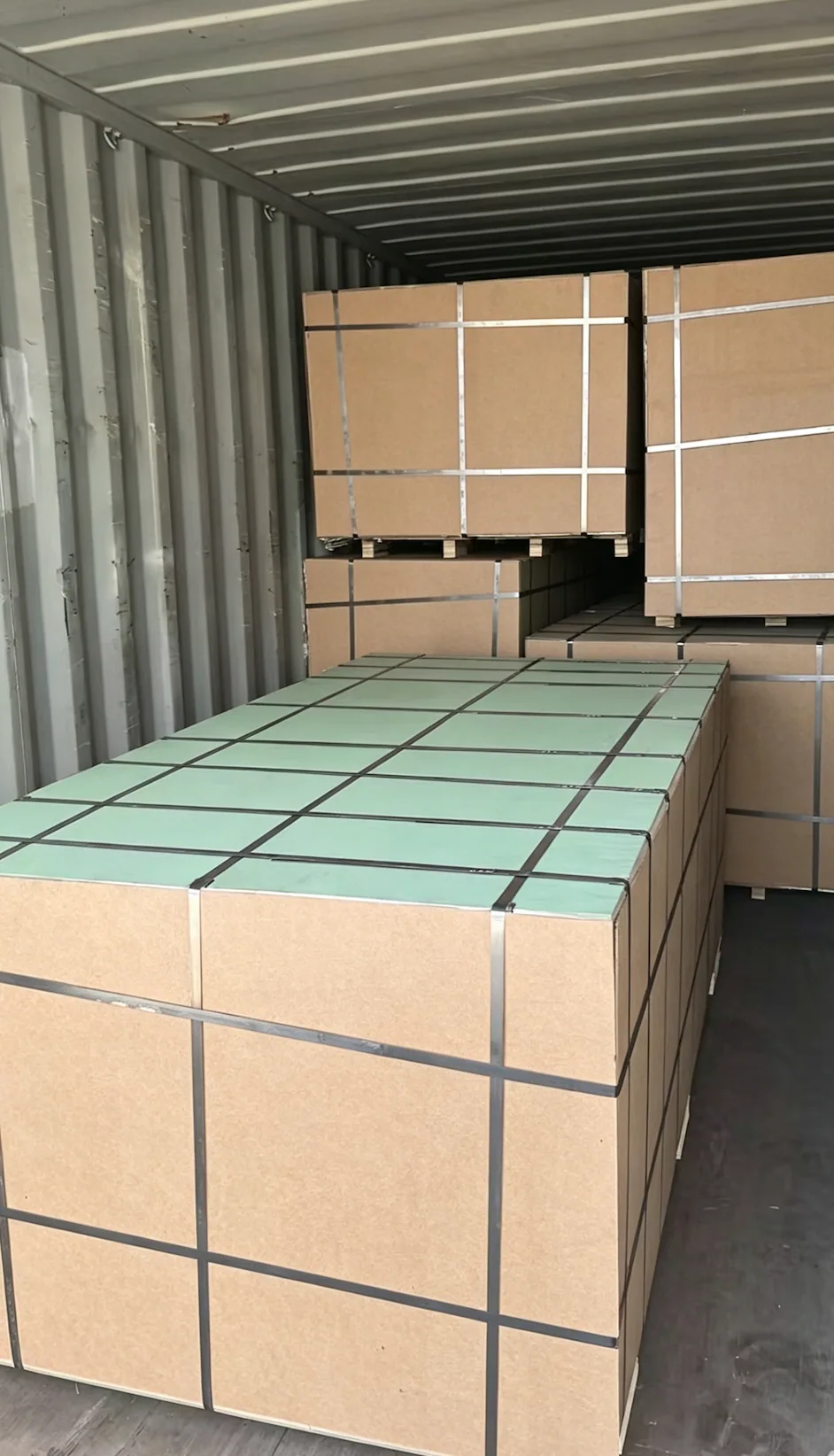
Use export packaging matched to the board
Thin MDF surfaces and edges need protection during forklift handling, container loading and sea transport. Bundle configuration should reflect board dimensions, thickness and unloading conditions at destination.
Before shipment, buyers should confirm bundle identification, protective materials and any pallet or handling requirement. Packaging photographs can support release checks when an on-site inspection is not arranged.
Coordinate shipment through Tianjin Port
For manufacturers in Hebei, Tianjin Port provides access for international container shipments. The shipment plan should align factory completion, inland transport, container availability and the selected sailing schedule.
Port access does not remove logistics risk. Booking changes, weather and carrier schedules remain external factors, so order communication should separate the factory completion date from the estimated vessel and arrival dates.
Inspect before loading
Finished-board inspection before delivery helps confirm that product specifications and packaging match the order. If a concern is found, it is easier to review it before the container leaves the factory.
The inspection scope may be handled by factory staff, the buyer or an agreed third party. The important point is to define the checks and acceptance criteria before shipment.
Build a repeatable cooperation process
Long-term supply improves when both sides retain approved specifications, packaging instructions and feedback from previous shipments. Transparent communication about production status and changes helps buyers manage inventory and downstream schedules.
Stable cooperation is based on repeatable production control, realistic planning and clear responsibility—not promotional claims.
Related MDF Keywords
Specification-focused
buyer research.
Need help selecting a thin MDF specification for your production?
Send your application and requirements
for factory review.
Request Specification & Quotation Related MDF Knowledge
Continue your
buyer research.
Guidance for specifying, inspecting and sourcing thin MDF from China.
Thin MDF Thickness Guide
Compare Xinyao thin MDF thickness options from 0.8mm to 5.8mm by application, processing review, density, surface and inquiry requirements.
Read articleMDF Density Guide
Learn how to select MDF density by thickness, machining, surface processing and application, using Xinyao's verified density options for buyer review.
Read articleMDF Thickness Tolerance Guide
See how MDF thickness tolerance is measured and specified, plus representative 0.8mm batch results and a practical buyer inspection checklist.
Read article